
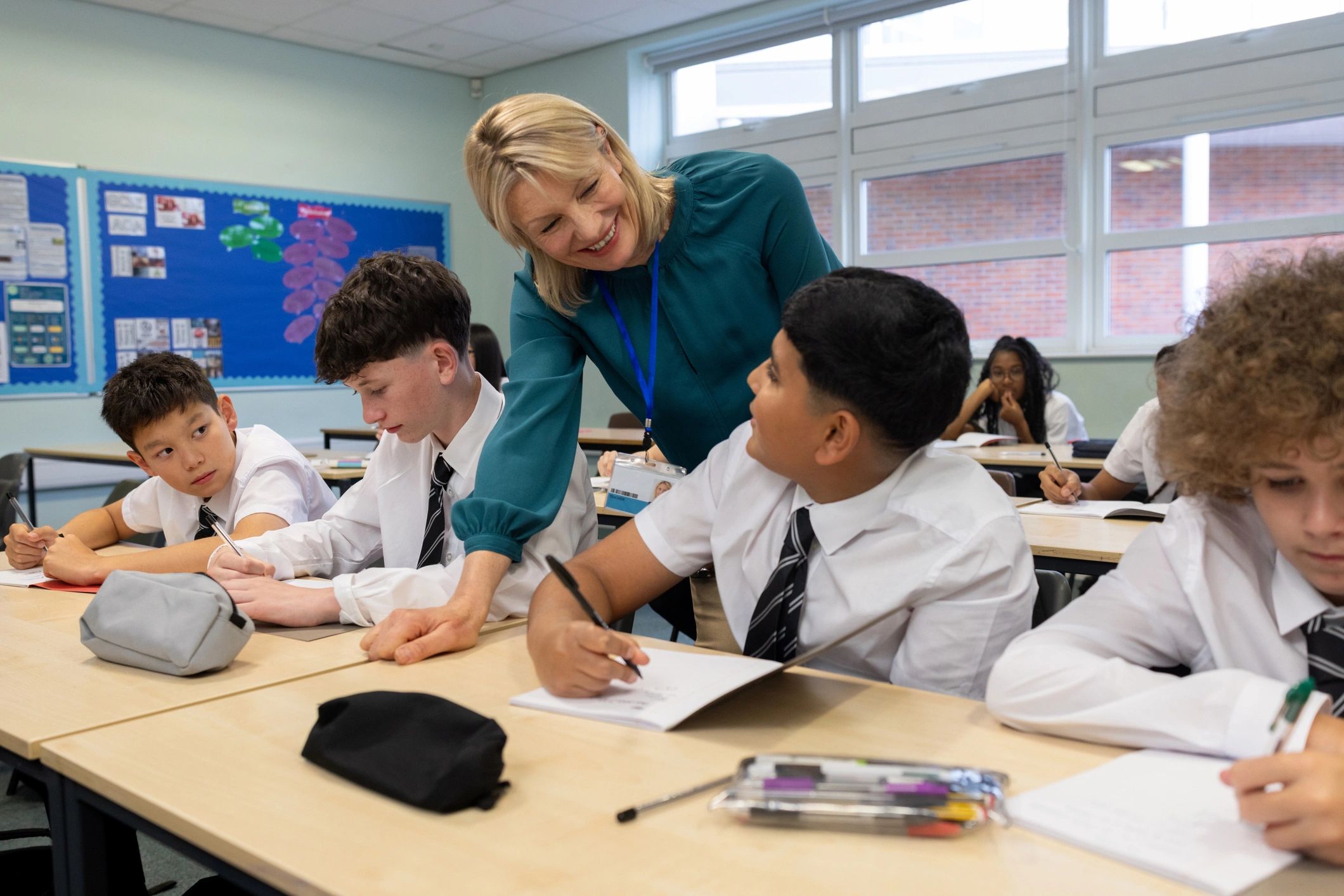
Teaching Tips
Classroom Management That Works
Build calm, focused, and learner-ready spaces with practical routines, behaviour support ideas, and teacher-tested strategies for South African classrooms.
Why it matters
Create a Classroom Learners Can Thrive In
Strong classroom management helps teachers protect learning time, reduce disruption, and create a respectful environment where every learner knows what to expect.
Clear routines
Use simple daily systems for entry, transitions, group work, and pack-up time so learners can move confidently through the day.
Positive behaviour support
Set expectations early, reinforce effort, and respond consistently to help learners feel safe, supported, and ready to participate.
Core strategies
Six Focus Areas for Better Management
Use these practical classroom priorities to build structure, confidence, and stronger learner engagement throughout the school day.
Expectations
Teach rules and behaviour standards explicitly so learners understand what success looks like.
Seating plans
Arrange learners intentionally to support attention, collaboration, and smoother lesson flow.
Transitions
Plan quick movement cues and reset routines to reduce wasted time between activities.
Engagement
Keep lessons active and varied so learners stay involved and off-task behaviour decreases.
Consistency
Apply consequences and encouragement fairly to build trust and classroom stability.
Reflection
Review what is working, adjust routines, and keep improving your classroom systems.
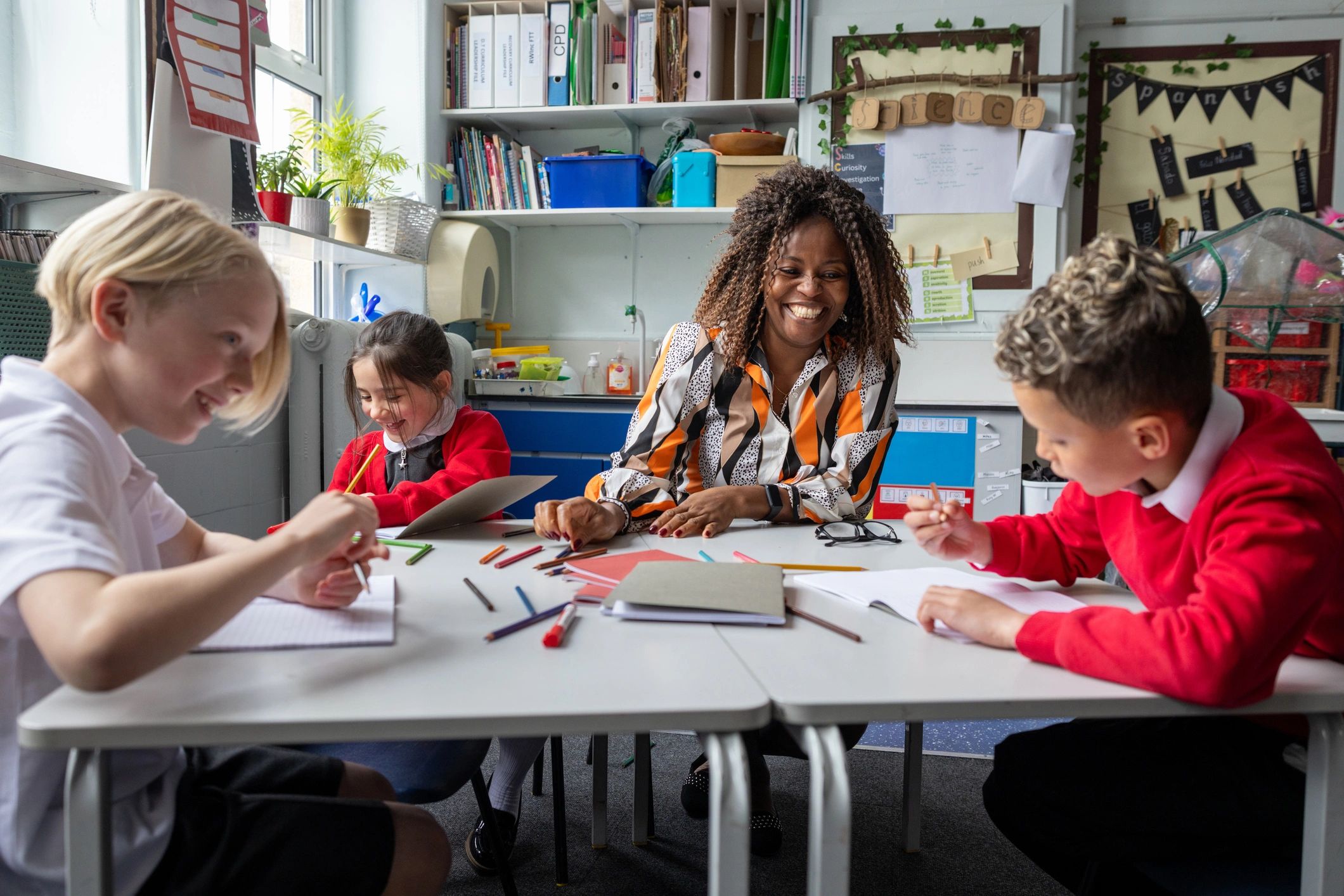
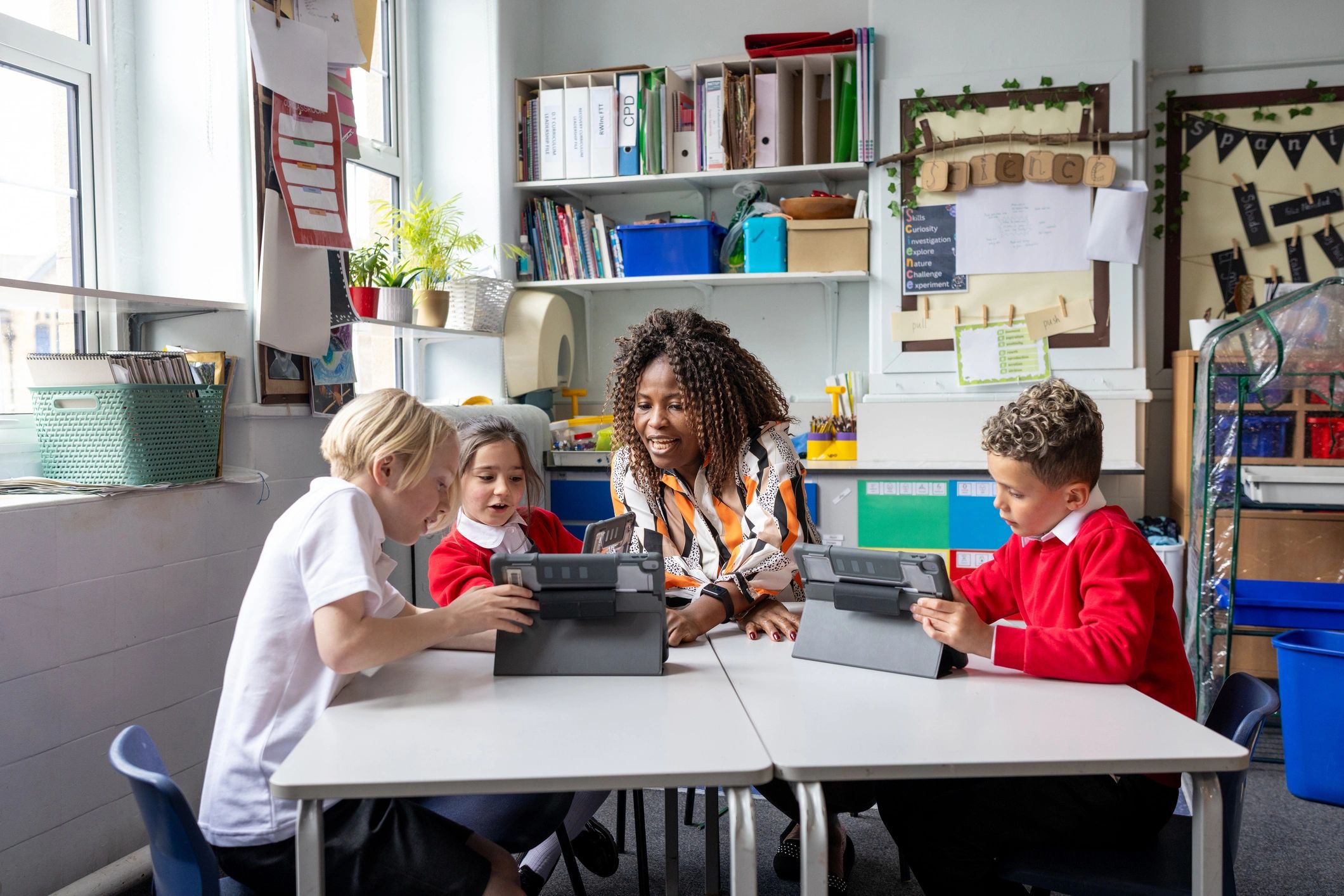
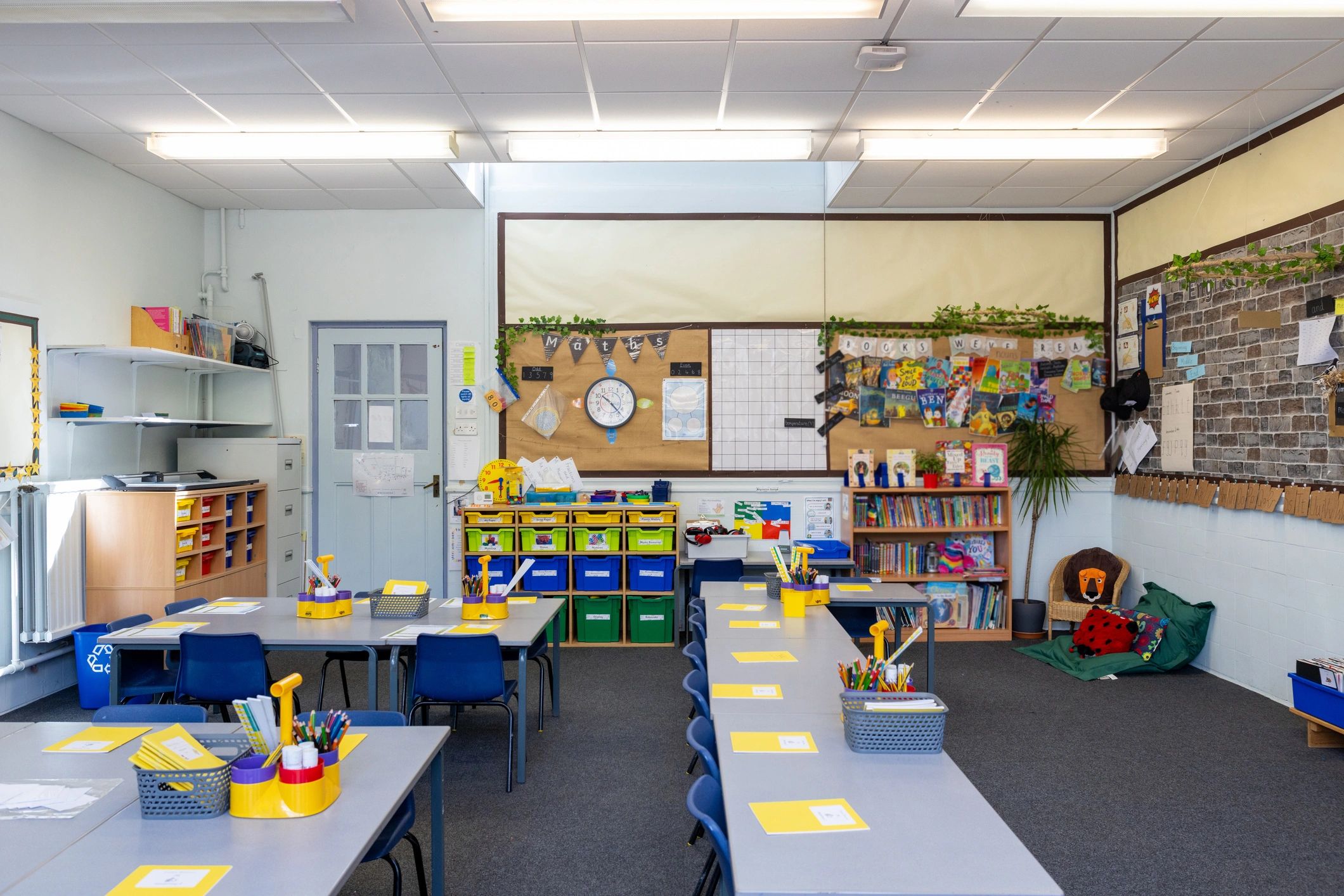
Practical Tips for Everyday Teaching
Start each day with a visible plan, greet learners at the door, and model the tone you want to see. Small, repeatable habits often make the biggest difference.
Use visual reminders, quick attention signals, and prepared resources to keep lessons moving. When routines are predictable, teachers spend less time correcting and more time teaching.